EL MONO CON LA LENGUA AFUERA
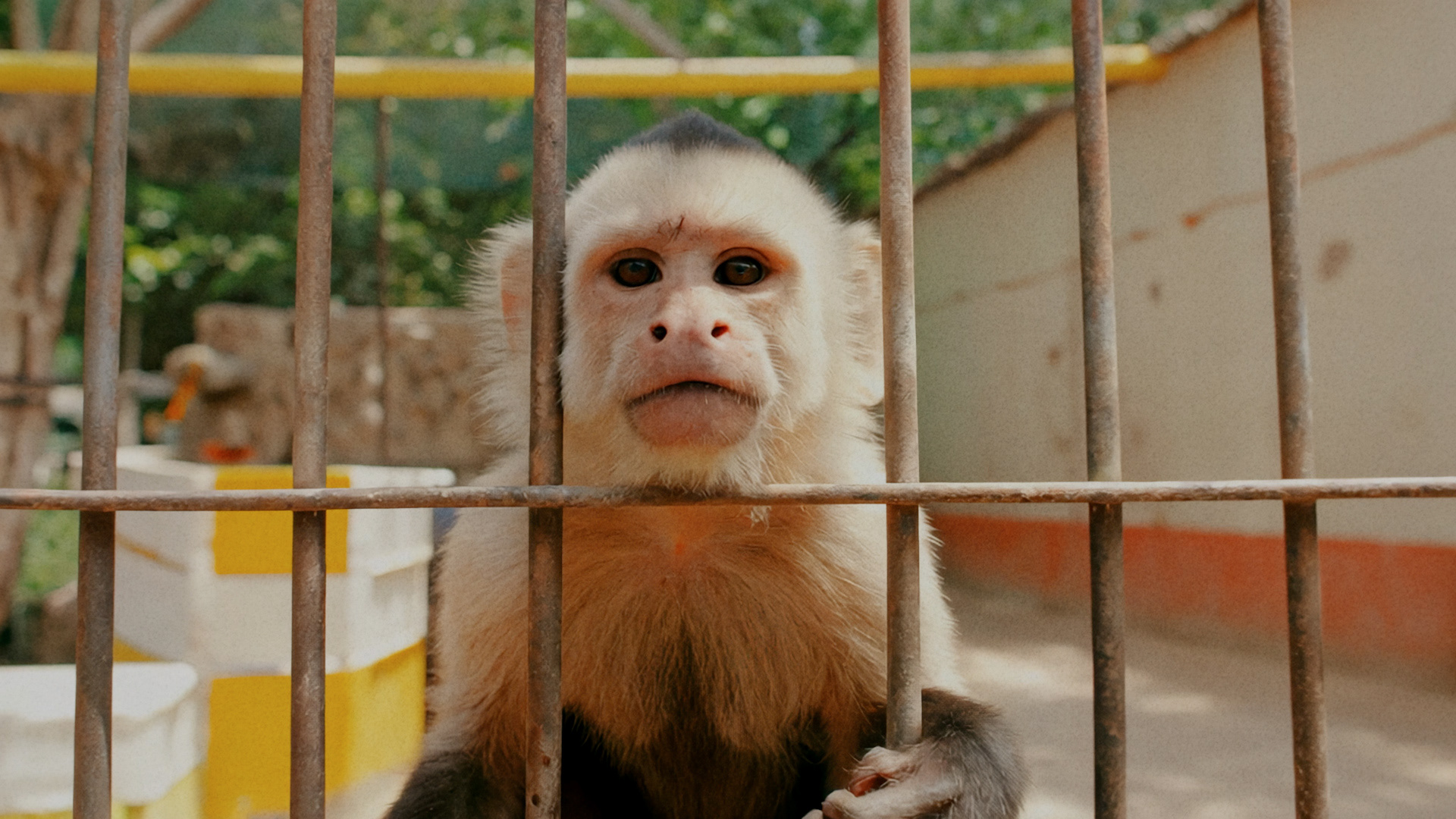
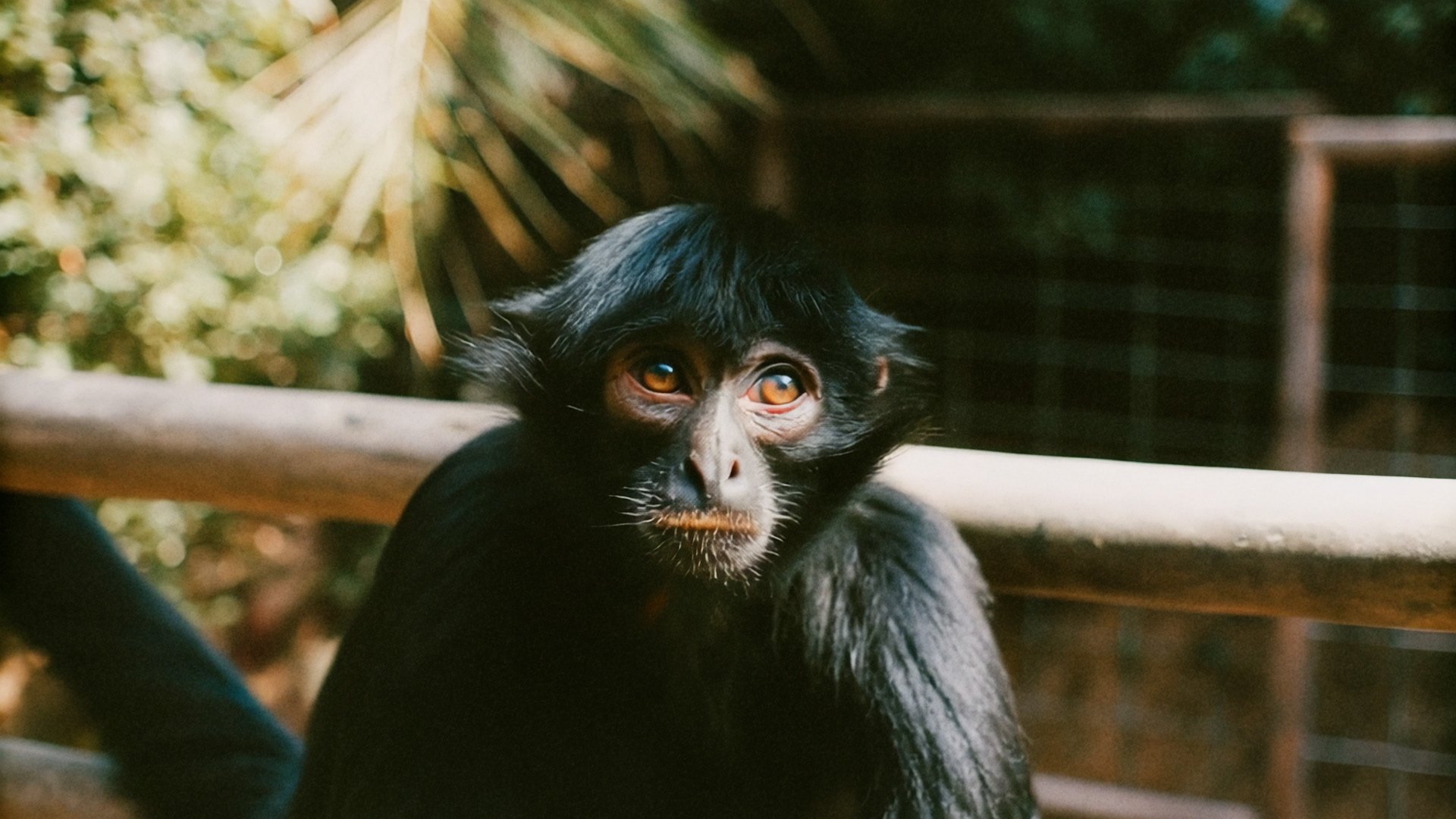
El cortometraje narra el encuentro de un cineasta con un "mono araña" que lo observa con la lengua afuera desde detrás de un acrílico, desencadenando una serie de reflexiones. Este gesto se convierte en espejo de una paradoja contemporánea: ¿quién domestica a quién en la era de los datos?
El cortometraje narra el encuentro de un cineasta con un "mono araña" que lo observa con la lengua afuera desde detrás de un acrílico, desencadenando una serie de reflexiones. Este gesto se convierte en espejo de una paradoja contemporánea: ¿quién domestica a quién en la era de los datos?
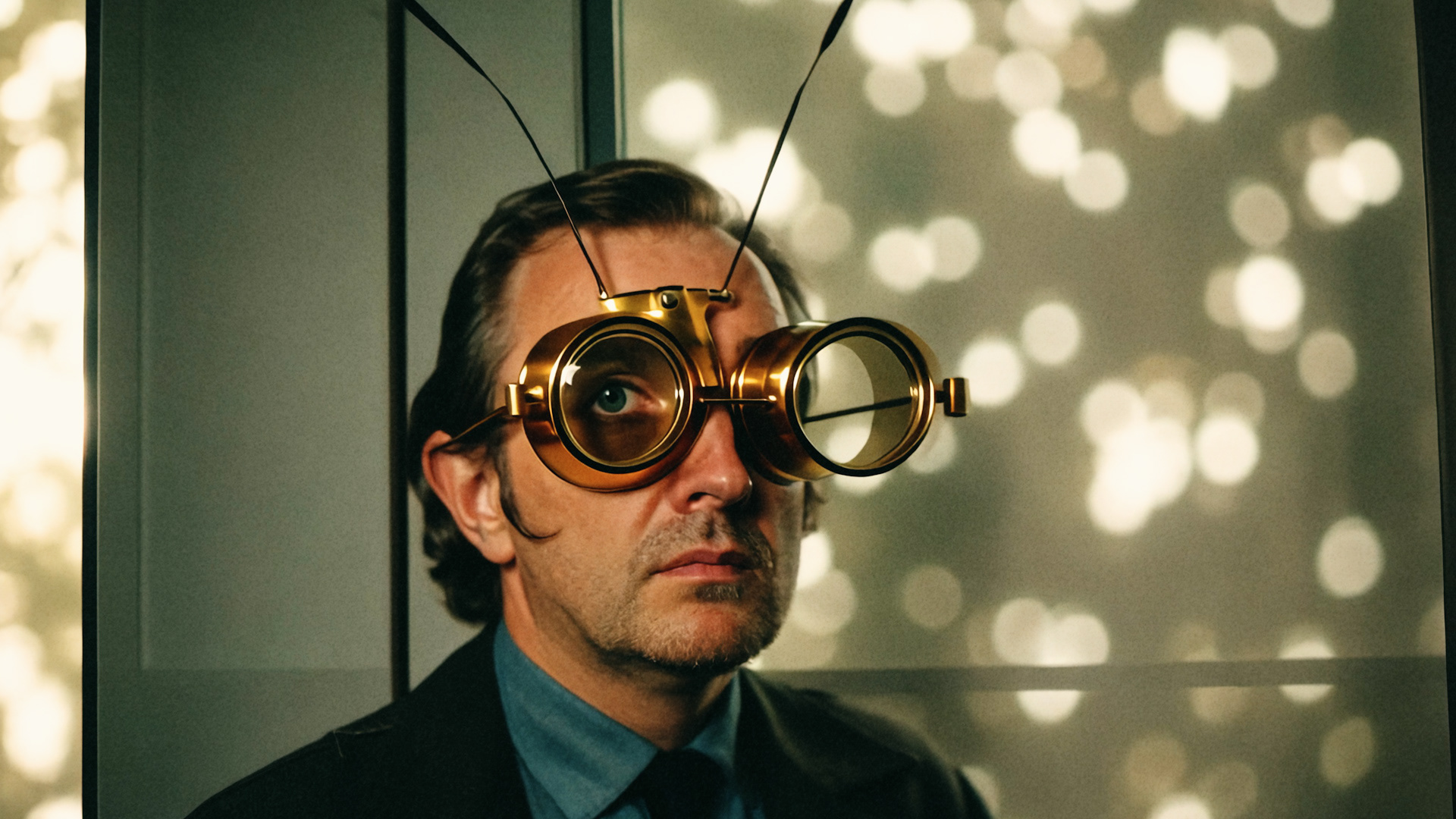
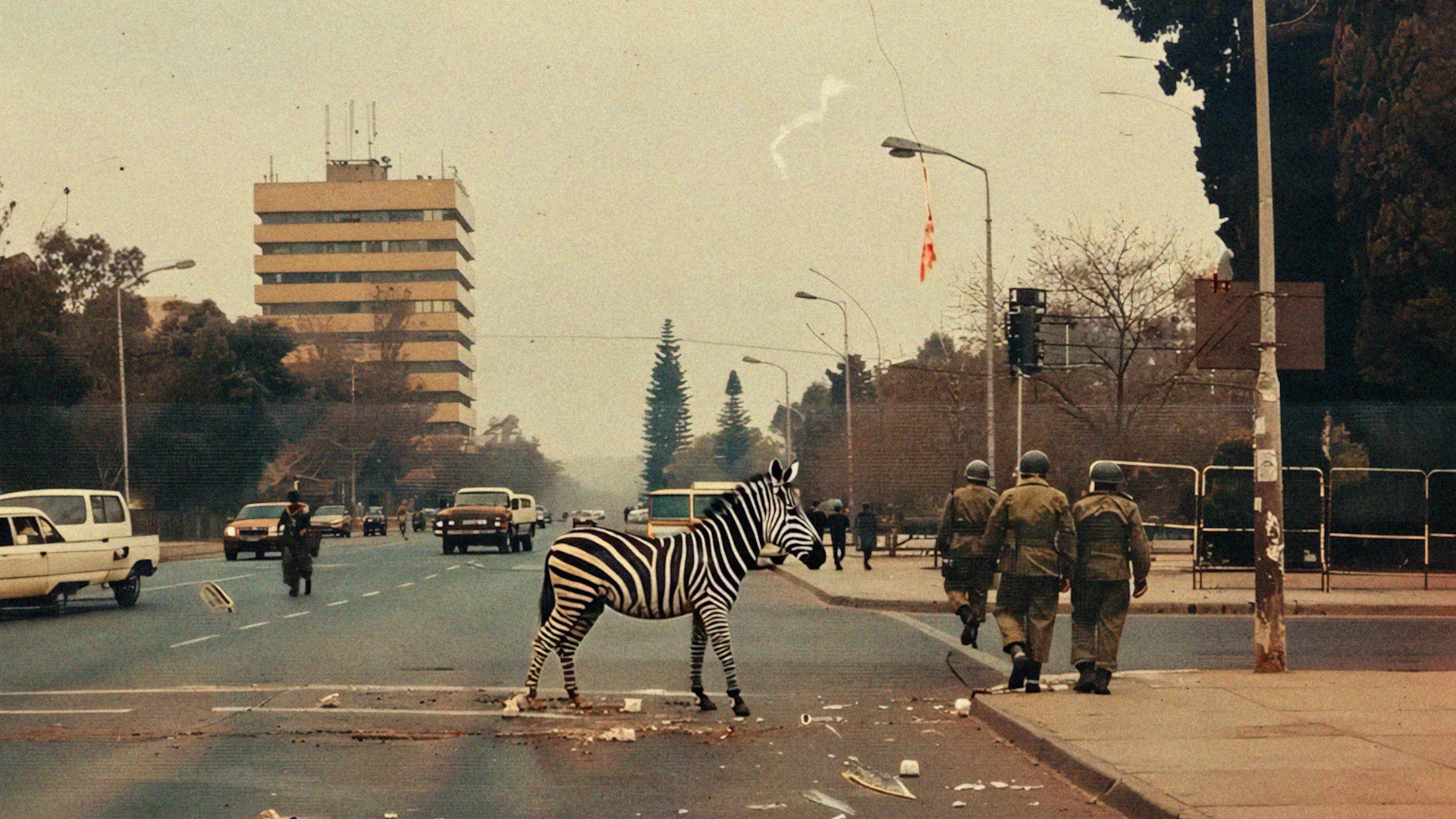
La cámara amateur, con su cruda estética handycam, transforma a los animales en entidades glitch, seres suspendidos entre lo biológico y lo digital. La narrativa salta a 1974, revelando los encuentros clandestinos durante la dictadura chilena en este mismo zoológico, y a 1984, donde un poeta realiza una provocadora performance al encerrarse en la jaula de los papiones, cuestionando el confinamiento como ritual biopolítico.
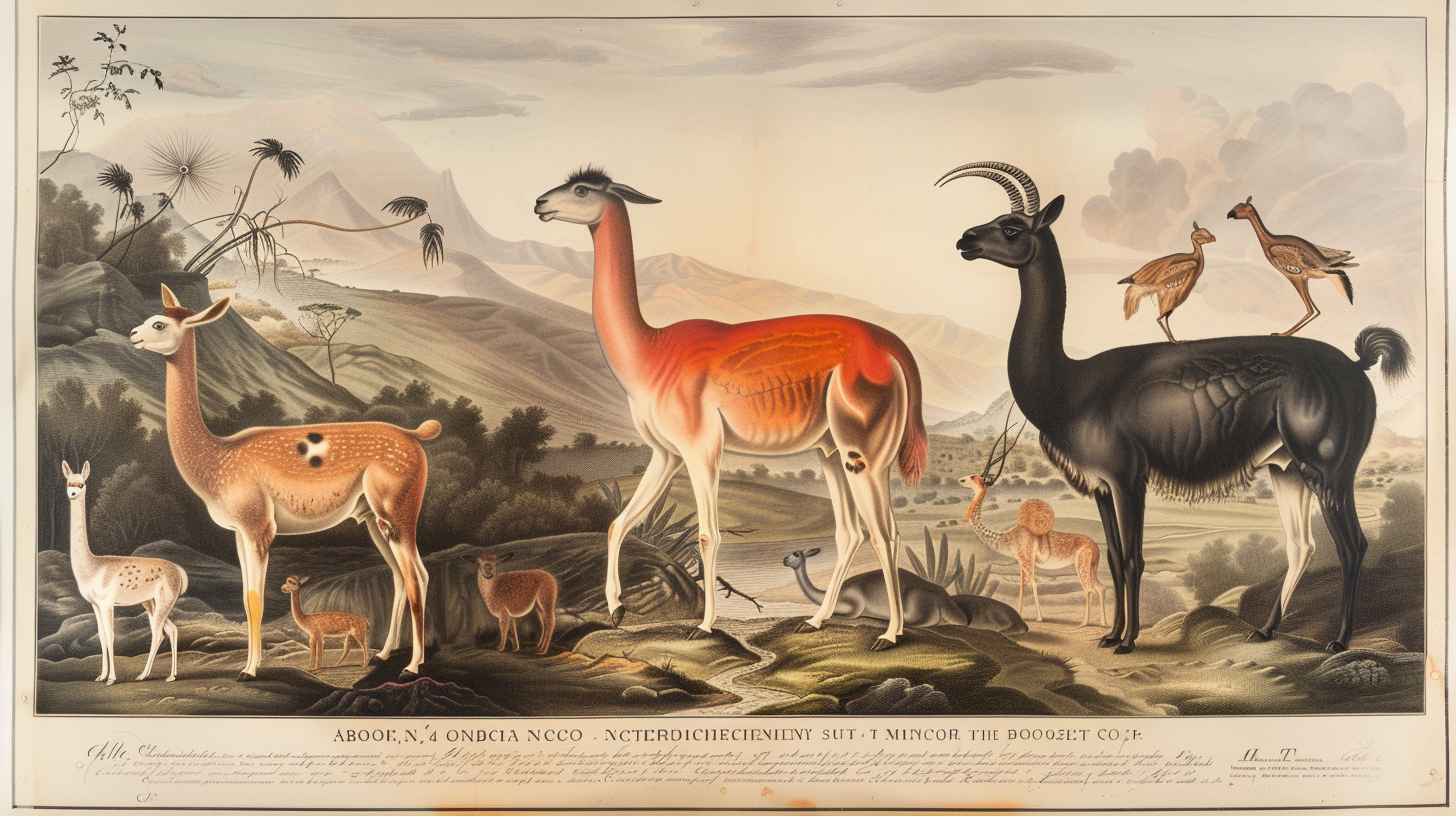
Construido mediante un diálogo entre imágenes reales e imágenes generadas por inteligencia artificial, el cortometraje expone la belleza perturbadora de lo falso, permitiendo al espectador contemplar los límites cada vez más difusos entre lo auténtico y lo sintético. El relato avanza hacia la inquietante pregunta planteada por Nick Bostrom: si la inteligencia humana sometió a los gorilas, ¿qué "refugio" nos espera cuando los algoritmos nos estudien como especímenes? Una galería de primates algorítmicos nos invita tanto a la reflexión como a enfrentarnos al extraño espejo de un futuro inminente, donde la realidad misma está mediada por los algoritmos que pretendemos controlar. ¿Qué expresión mostraremos cuando seamos nosotros los observados?
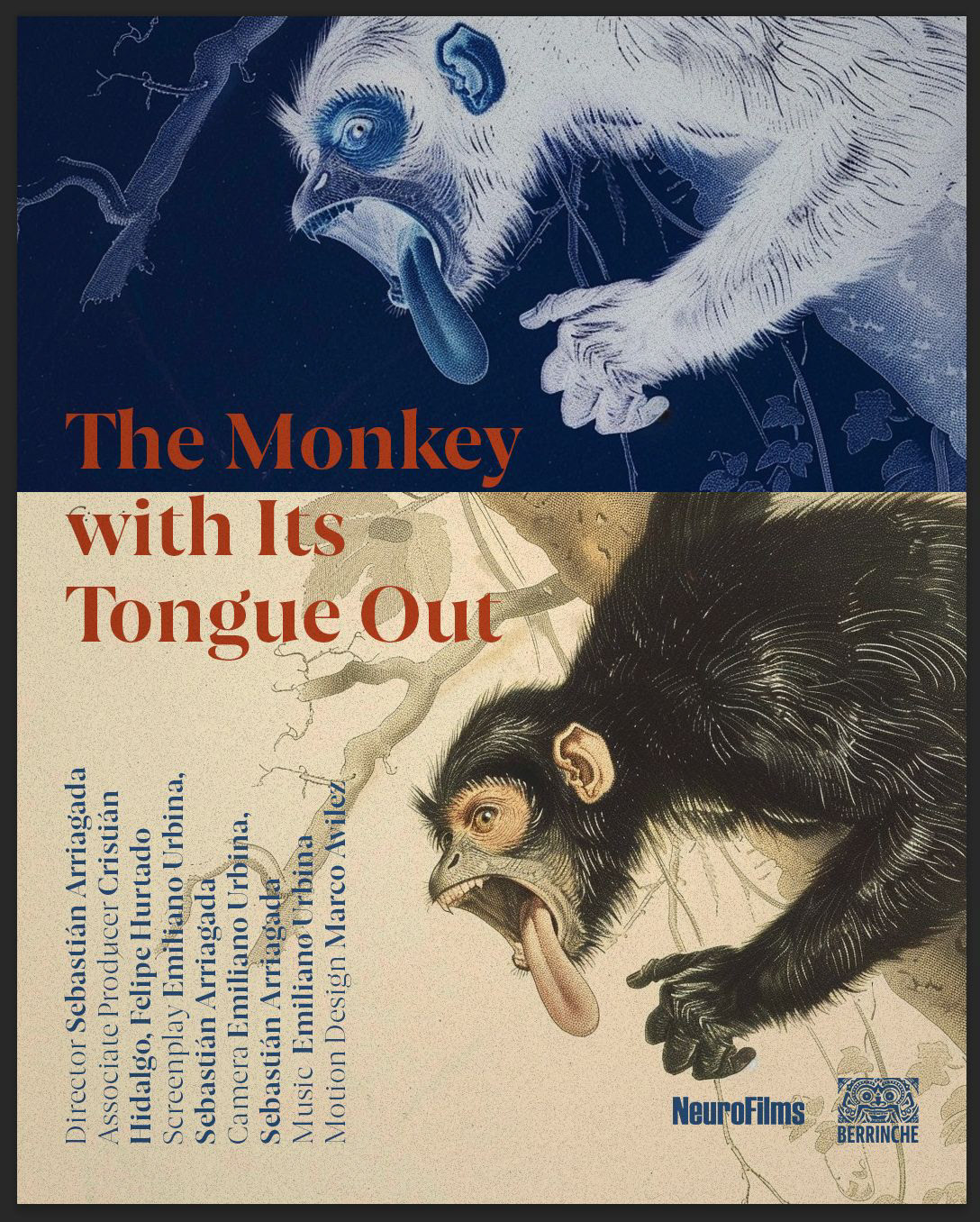
THE MONKEY WITH ITS TONGUE OUT
The short film chronicles a filmmaker's encounter with a spider monkey observing him with its tongue out from behind an acrylic panel, triggering a series of reflections. This gesture becomes a mirror of a contemporary paradox: who domesticates whom in the age of data?
The amateur camera, with its raw handycam aesthetic, transforms the animals into glitch entities, beings suspended between the biological and the digital. The narrative jumps to 1974, revealing clandestine meetings during the Chilean dictatorship in this same zoo, and to 1984, where a poet performs a provocative act by locking himself in the baboon cage, questioning confinement as a biopolitical ritual.
Constructed through a dialogue between real images and artificial intelligence-generated imagery, the short film exposes the disturbing beauty of the artificial, allowing viewers to contemplate the increasingly blurred boundaries between the authentic and the synthetic. The story advances toward the unsettling question posed by Nick Bostrom: if human intelligence subjugated gorillas, what "refuge" awaits us when algorithms study us as specimens? A gallery of algorithmic primates invites us both to reflection and to confront the strange mirror of an imminent future, where reality itself is mediated by the algorithms we claim to control. What expression will we show when we are the ones being observed?
The short film chronicles a filmmaker's encounter with a spider monkey observing him with its tongue out from behind an acrylic panel, triggering a series of reflections. This gesture becomes a mirror of a contemporary paradox: who domesticates whom in the age of data?
The amateur camera, with its raw handycam aesthetic, transforms the animals into glitch entities, beings suspended between the biological and the digital. The narrative jumps to 1974, revealing clandestine meetings during the Chilean dictatorship in this same zoo, and to 1984, where a poet performs a provocative act by locking himself in the baboon cage, questioning confinement as a biopolitical ritual.
Constructed through a dialogue between real images and artificial intelligence-generated imagery, the short film exposes the disturbing beauty of the artificial, allowing viewers to contemplate the increasingly blurred boundaries between the authentic and the synthetic. The story advances toward the unsettling question posed by Nick Bostrom: if human intelligence subjugated gorillas, what "refuge" awaits us when algorithms study us as specimens? A gallery of algorithmic primates invites us both to reflection and to confront the strange mirror of an imminent future, where reality itself is mediated by the algorithms we claim to control. What expression will we show when we are the ones being observed?